

2026 Luxury & Exotic Vehicle Maintenance in Los Angeles: The Ultimate Guide
Owning a luxury or exotic vehicle in 2026 isn’t just about performance or aesthetics. It’s about maintaining advanced engineering, complex safety systems, and precision-built materials that demand a higher standard of care.
Whether you drive a Ferrari, Lamborghini, Porsche, Bentley, Rolls-Royce, Aston Martin, Bugatti, Tesla, or Lucid, your vehicle represents both a financial investment and a craftsmanship investment. Maintenance today is no longer routine – it’s strategic.
Let’s break down what that really means.
1. Follow manufacturer-specific maintenance, not generic schedules

Exotic and high-performance vehicles are engineered differently from mass-market cars. Engines operate at tighter tolerances. Suspension systems are tuned for dynamic performance. Brake systems may use carbon ceramic components. Electric vehicles rely on high-voltage battery systems and complex cooling architecture.
Because of this, generic maintenance schedules simply don’t apply.
In 2026, following your manufacturer’s exact service intervals is critical. That includes fluid services, inspections, and required software updates. Using OEM parts that are factory-original components designed specifically for your vehicle ensures performance and safety remain exactly as engineered.
Detailed service documentation is equally important. The luxury resale market increasingly rewards vehicles with complete, factory-aligned service history. Proper maintenance isn’t just about reliability; it’s about preserving long-term value.
2. Protect advanced paint finishes the right way
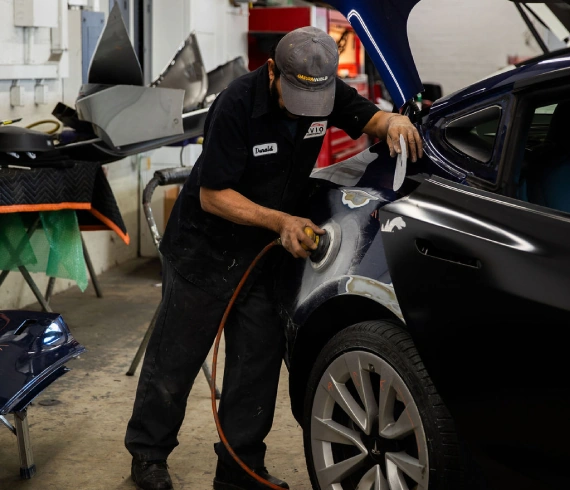
Luxury and exotic vehicles often feature multi-stage paint systems, hand-finished clear coats, matte finishes, and specialty colors. These finishes are significantly more complex than traditional automotive paint.
In climates like Los Angeles, UV exposure, road debris, coastal air, and improper washing techniques accelerate wear. A small rock chip on an aluminum or carbon fiber panel can quickly turn into a costly refinishing job.
Paint Protection Film (PPF) has become a practical safeguard in 2026. It absorbs impact from debris before it reaches your paint. Ceramic coatings add hydrophobic and UV-resistant protection, preserving gloss and depth over time.
Equally important is how you wash your vehicle. Avoid automated brush car washes and use pH-balanced products with microfiber towels. Proper technique protects clear coat integrity and prevents micro-scratching.
3. Don’t ignore ADAS & sensor calibration
Most luxury vehicles in 2026 are equipped with ADAS (Advanced Driver Assistance Systems), including:
-
Adaptive cruise control
-
Lane-keep assist
-
Automatic emergency braking
-
Blind spot monitoring
These systems rely on cameras, radar modules, and sensors that must be precisely calibrated.
Even a minor bumper tap or windshield misalignment can throw off alignment by millimeters needing ADAS recalibration (link to new blog post called “Why Even a Minor Valet Bumper Tap on Your Luxury Car in Los Angeles Requires Sensor Recalibration”).
In 2026, proper calibration means:
-
Post-collision recalibration
-
Windshield camera recalibration
-
Radar sensor alignment after bumper removal
-
Documented verification
Skipping this step risks false alerts or delayed braking response.
4. Battery health is the new engine health
If you drive an electric vehicle, maintenance shifts from engine-centered to battery-centered. While there are fewer traditional service items, monitoring critical systems remains essential.
EV owners should pay close attention to:
-
High-voltage battery health and inspection
-
Thermal management system performance
-
Brake condition (regenerative braking changes wear patterns)
-
Software updates and diagnostics
Battery cooling systems are particularly important in warmer regions. Excessive heat can reduce long-term battery efficiency. Additionally, even minor structural damage near battery housing must be evaluated carefully to maintain safety standards.
Electric vehicles are simpler in some ways but more complex in others.
5. Advanced materials demand specialized expertise
Modern exotic vehicles increasingly use aluminum space frames, bonded construction, and carbon fiber panels. These materials reduce weight and improve performance, but they require specialized handling.
Improper aluminum welding or carbon fiber repair can compromise structural integrity. Even small impacts can affect alignment in ways that aren’t visible without precision measuring equipment.
Maintaining factory tolerances means working with technicians trained in mixed-material construction and advanced structural measurement systems. Not every facility is equipped for this level of precision.
6. Store it properly (If you’re not driving it daily)
Maintenance doesn’t only happen while driving. How and where you store your vehicle plays a major role in longevity.
If your vehicle isn’t driven daily, proper storage practices help prevent avoidable issues.
For vehicles stored long-term, prioritize:
-
A battery maintainer to prevent electrical drain
-
Correct tire pressure to avoid flat-spotting
-
Climate-controlled storage to reduce moisture and UV exposure
In high-traffic urban environments like Los Angeles, frequent heat cycling and stop-and-go driving also increase wear on brakes and cooling systems. Even low-mileage vehicles benefit from routine inspections to catch early wear before it becomes costly damage.
7. Choosing specialists protects the engineering
Leaving your vehicle anywhere can make you feel uneasy. Luxury and exotic vehicles represent passion, and serious investment.
In Los Angeles, shops like Avio Coach Craft have focused on luxury, exotic, and electric vehicles since 1989 and are part of the Tesla Approved Body Shop Network and a Lucid Certified Collision Center.
Regardless of location, the key takeaway is this: expertise outweighs convenience. Choosing specialists trained in OEM procedures, ADAS calibration, aluminum repair, and EV safety protocols protects both performance and long-term value.
Precision is the standard in 2026
Maintaining a luxury or exotic vehicle today requires intention. It means protecting advanced materials, preserving safety systems, maintaining structural integrity, and staying aligned with manufacturer standards.
When you commit to precision maintenance, you protect more than performance. You protect value, safety, and the exact driving experience the engineers designed.
And when you own something built with this level of craftsmanship, that standard is worth maintaining.